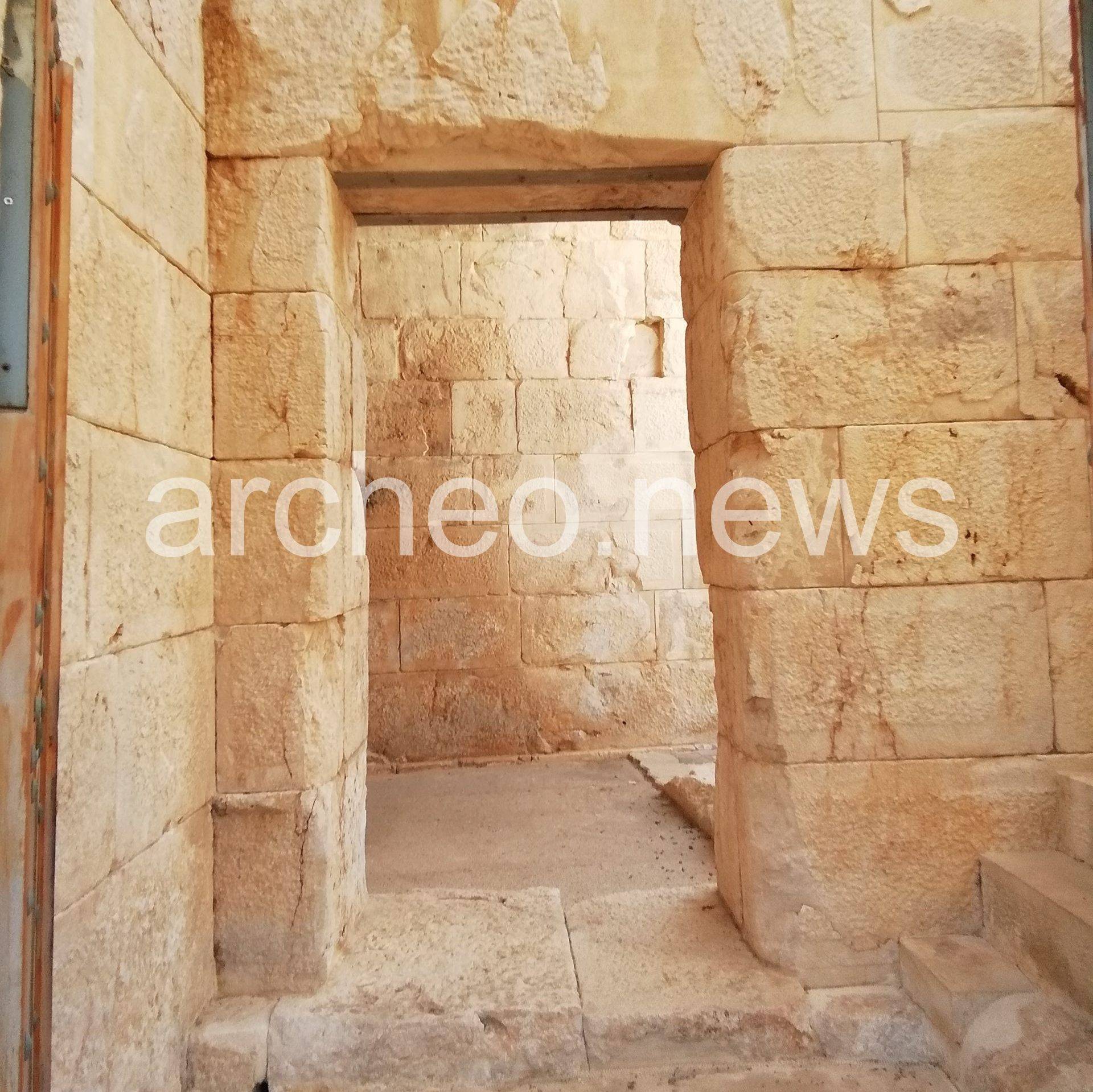
Nineteen centuries after Vesuvius, why is one of the world’s most excavated sites still producing its biggest discoveries?
A Site That Should, By Now, Have No Secrets Left
Pompeii has been under active excavation since 1748 — nearly three centuries of archaeologists, looters, restorers, and researchers combing through the same 66 hectares of buried city. By any reasonable expectation, its capacity to surprise should have been exhausted long ago.
Instead, the opposite keeps happening. In recent years alone, Pompeii has produced some of the most significant discoveries in its entire excavation history — proof that even the most studied archaeological site on Earth can still hold genuine mystery.
A Secret Cult, Painted Life-Size
In 2025, archaeologists working in Regio IX uncovered a banquet hall now called the House of Thiasus, its three walls covered in a nearly life-sized fresco depicting the secretive mystery rites of Dionysus — bacchantes dancing, satyrs pouring wine, and at the centre, a mortal woman on the verge of initiation into a cult whose rituals were deliberately kept secret from outsiders.
Italy’s Minister of Culture called it a “historic” discovery — and researchers analysing the pigments found traces of Egyptian blue, the world’s oldest known synthetic colour, still vivid after two thousand years underground. It was, alongside the famous Villa of the Mysteries frescoes discovered a century earlier, one of only two such depictions ever found — offering a rare glimpse into an aspect of Roman religious life that ancient authors mostly chose not to write about.
Justice, Nineteen Centuries Late
Not every recent Pompeii story involves fresh excavation. In July 2025, a Roman-era erotic mosaic — stolen from Pompeii by a Nazi German officer during the Second World War — was formally returned to the Archaeological Park after more than eighty years in Germany.
The panel, dated to between the mid-1st century BCE and the 1st century CE, had vanished from the site during the wartime occupation of Italy, passed privately through decades of obscurity, before its return finally closed an eight-decade gap in the object’s own history. A single artefact, buried by a volcano, stolen by a soldier, and finally sent home — its own story of loss and recovery running in parallel with the city around it.
Why a 2,700-Year-Old Site Is Still Being Understood
Pompeii’s paradox is this : the very completeness of its destruction is what makes its ongoing study so unpredictable. Because the city was sealed rather than gradually built over, entire neighbourhoods remain unexcavated beneath the ash to this day — meaning archaeologists are not reinterpreting old evidence, but genuinely uncovering rooms, frescoes, and objects that no living person has seen since the year 79.
Add to that modern tools unavailable to 18th-century excavators — X-ray fluorescence to analyse pigment chemistry, volcanic ash casting to recover the shape of long-vanished trees and wooden furniture, and international restitution efforts to trace looted artefacts across continents — and a site nearly three centuries into its excavation still behaves, in many ways, like a place only just beginning to be understood.
Pompeii was frozen in a single day. Understanding it, evidently, will take considerably longer.
Pompeii inspires several creations in the Anthereos collection.
Discover them at archeovision.store
Stephen Rimorini— the living past