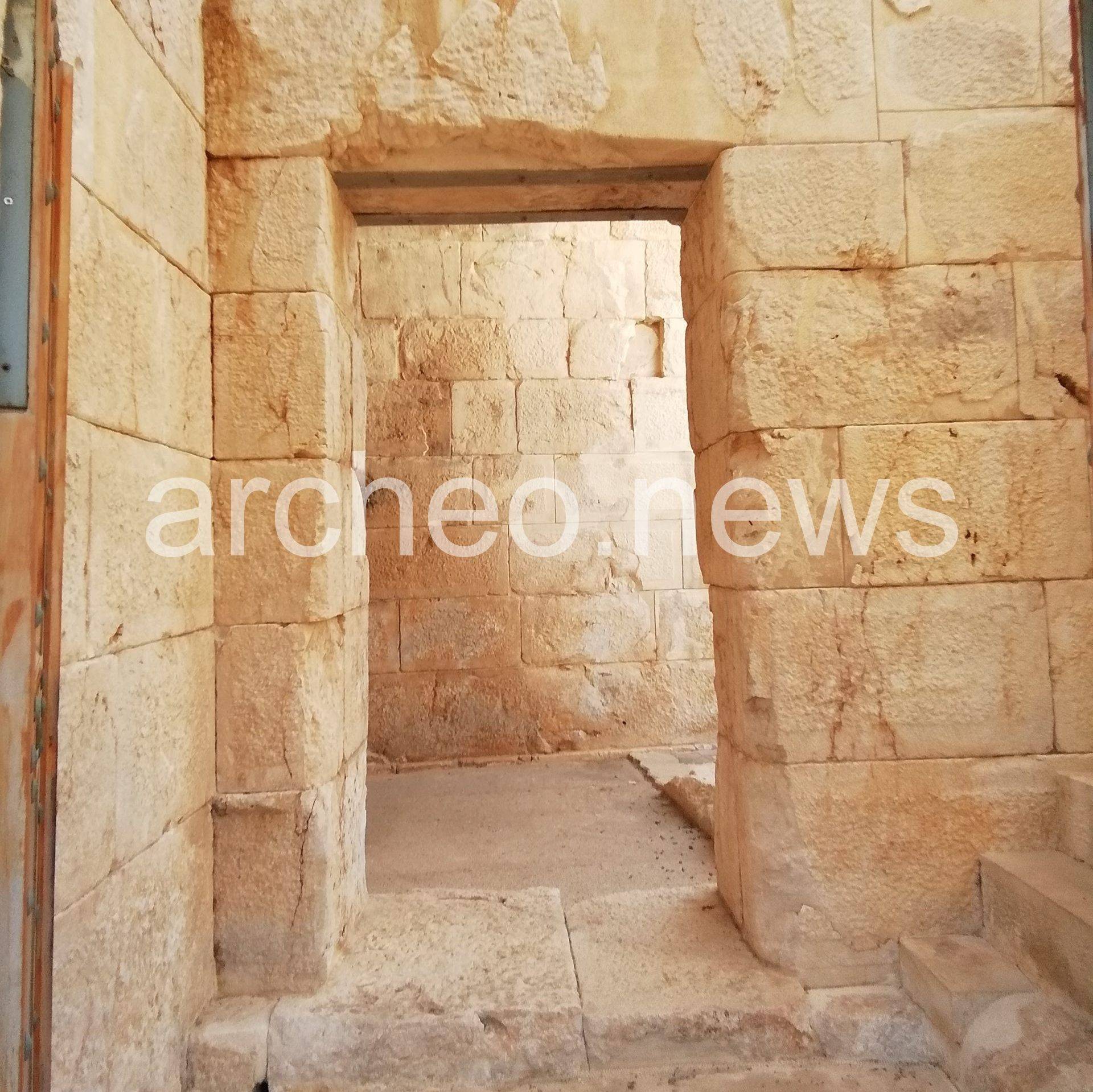
The city that was already ancient when Alexander the Great arrived
The Discovery
In July 2025, archaeologists made it official : Samarkand is older than we thought. Much older.
Following major excavations at the ancient sites of Afrasiyab and Göktepe — led jointly by Uzbek and French researchers — the Samarkand Regional Council formally revised the city’s age from 2,750 to 3,000 years. Evidence of palaces, temples and planned urban streets dating back to the early first millennium BCE had been uncovered, pushing the origins of one of the world’s most legendary cities even further into the mist of prehistory.
Samarkand was already ancient when Alexander the Great arrived in 329 BCE and declared it more magnificent than anything he had imagined. It was already ancient when the Silk Road made it the crossroads of the world. And it is still here — still inhabited, still magnificent — three millennia later.
The Living City
What makes Samarkand extraordinary is not just its age, but its continuity.
Most cities of comparable antiquity exist only as ruins — archaeological sites visited by tourists, photographed, studied, and left behind. Samarkand never stopped living. It was conquered, destroyed, rebuilt and reinvented, over and over again — by Persians, Greeks, Arabs, Mongols, Timurids — and each time it rose from the rubble more beautiful than before.
The ancient site of Afrasiyab, in northern Samarkand, was occupied from around 500 BCE to 1220 AD — when the Mongol invasion razed it to the ground. Its famous frescoes, painted in the 7th century, show King Varkhuman of Samarkand receiving embassies from China, India and Turkey — a vivid image of the city as the centre of the known world. LinkedIn
The Geometry That Survived Everything
After Genghis Khan destroyed Samarkand in 1220, it seemed finished. But a century later, Tamerlane chose it as the capital of his vast empire — and filled it with the greatest craftsmen of the age.
What they built is still there : the tilework of the Registan, the dome of the Gur-e-Amir, the soaring portal of the Bibi-Khanym mosque. Geometric patterns of extraordinary mathematical sophistication, executed in lapis lazuli blue, turquoise and gold, on a scale that still takes the breath away.
This is the visual language of Samarkand — ancient, precise, universal — that has inspired artists, architects and designers for six centuries and continues to do so today.
Why Samarkand Still Matters
In an age of digital distraction and disposable culture, Samarkand is a reminder that some things endure.
Three thousand years of continuous urban life. Dozens of conquests and destructions. And still standing — still drawing visitors, still inspiring artists, still the subject of active archaeological research by teams from France, Uzbekistan and beyond.
The New Silk Road
History, it seems, has a long memory.
Today, Samarkand finds itself once again at the centre of the world’s attention — not because of conquest or trade caravans, but because of China’s Belt and Road Initiative, the most ambitious infrastructure project of the 21st century.
Xi Jinping’s vision of new Silk Roads — connecting China to Europe through Central Asia — follows almost exactly the ancient routes that made Samarkand great. Uzbekistan has become one of the key partners of this project, and Samarkand, with its extraordinary historical legitimacy as the crossroads of civilisations, is once again a city the world cannot ignore.
Three thousand years after its foundation, the Pearl of the Islamic World is reclaiming its place at the heart of global exchange.
The past is never as past as we think.
At Anthereos, Samarkand inspires several creations in our collection. Discover them at archeovision.store
Stephen Rimorini— The Living Past