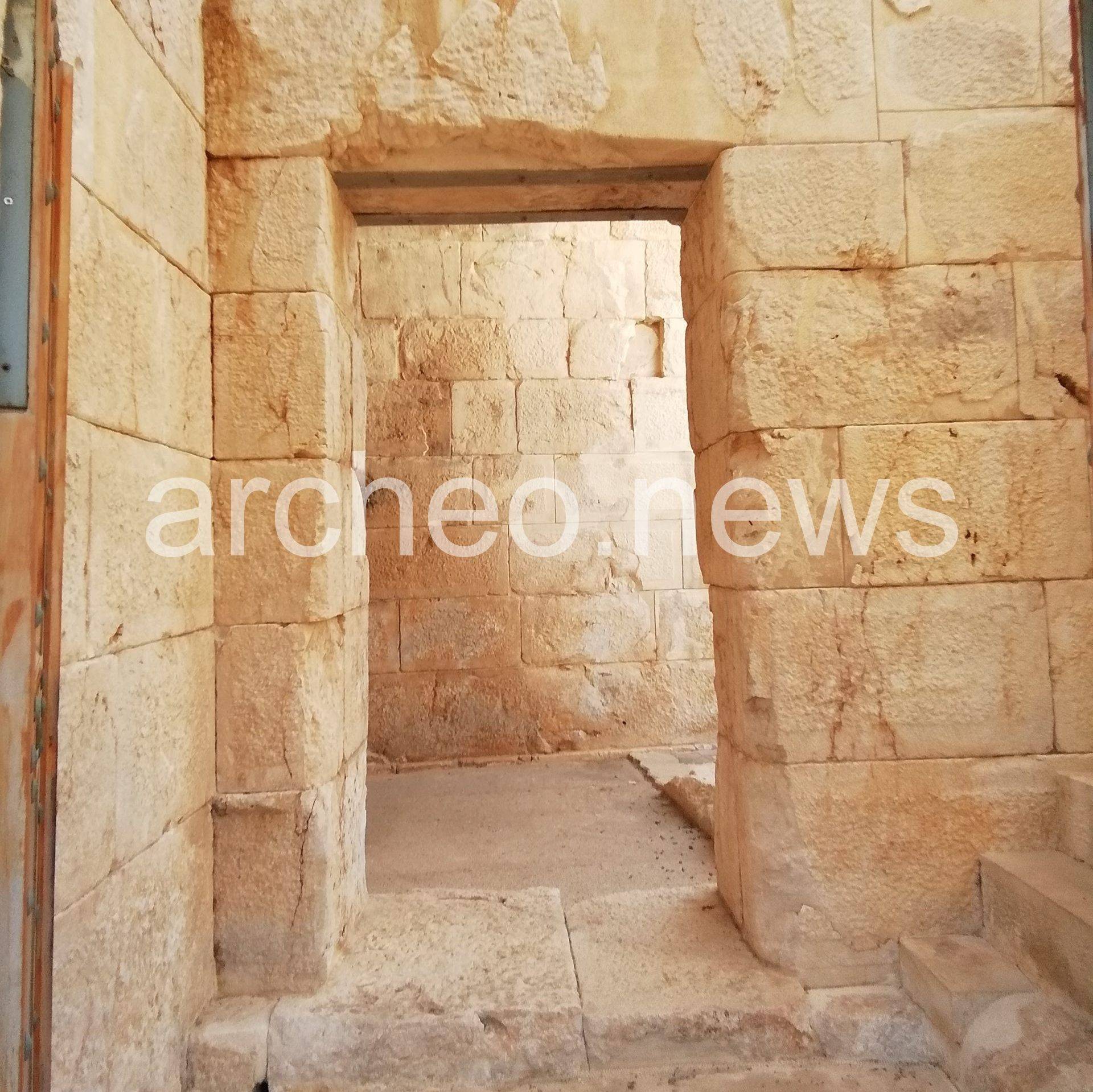
What a buried Roman metropolis in Libya teaches us about time, neglect, and unexpected survival
A City Built by an Emperor Who Never Forgot Where He Came From
In 193 CE, a Roman general born in Leptis Magna did something unusual for a man who had just seized the imperial throne : he remembered his hometown.
Lucius Septimius Severus poured extraordinary resources into rebuilding the city of his birth — a new forum, a grand colonnaded avenue, a monumental arch celebrating his own reign, and bath complexes decorated with mosaics as fine as anything found in Rome itself. For a brief, glittering period, this North African port became, by some contemporary accounts, the third greatest city on the entire continent of Roman Africa.
It would not last. Trade patterns shifted. The harbour silted. By the mid-4th century, Leptis Magna was already fading, and after the Arab conquest of the 7th century, it was abandoned almost entirely — left to the wind and the advancing sand of the Sahara.
What Neglect Accidentally Preserved
Here is the strange irony at the heart of Leptis Magna’s story : the very abandonment that ended its life as a city is what saved it as an archaeological site.
Unlike Rome, or Carthage, or countless other ancient cities built over again and again by successive generations, Leptis Magna was simply left alone. No medieval town grew on top of its forum. No modern city absorbed its stones for new construction. The sand did what neglect so rarely manages — it protected, sealing streets, mosaics, and marble beneath a dry, stable blanket for well over a thousand years.
When 20th-century archaeologists began excavating, they found something exceptionally rare : an entire Roman city, largely intact, requiring no imaginative reconstruction to understand how it once functioned.
A Heritage Site on the Edge of Instability
Leptis Magna’s modern story has not been without anxiety. Inscribed as a UNESCO World Heritage Site in 1982, it has since sat, geographically and politically, close to some of the most significant upheaval the region has experienced in the 21st century.
During periods of conflict, international heritage organisations expressed serious concern for sites across Libya — concern heightened by the difficulty of protecting vast, open archaeological landscapes compared to a single museum building that can simply be sealed shut. Reports and rumours circulated. Investigations followed.
What is remarkable, and worth saying plainly, is that Leptis Magna itself has repeatedly emerged from these periods of regional instability without significant damage to its core structures — a fact confirmed by heritage experts who returned to assess the site once conditions allowed. The greater threats, in recent years, have often been the quieter ones : neglect, encroaching vegetation, and the practical difficulty of maintaining a site of this scale under difficult conditions, rather than direct destruction.
Why This Story Matters Beyond Libya
Leptis Magna sits at an uncomfortable intersection that many of the world’s greatest heritage sites now occupy : irreplaceable cultural value, located in regions where political stability cannot be guaranteed.
It raises a question archaeologists and heritage organisations continue to wrestle with globally — how do you protect something built to last millennia, when the political conditions around it are measured in years, or sometimes months? There are no easy answers. But Leptis Magna’s own history offers a strange kind of hope : a city that survived Roman decline, Arab conquest, complete abandonment, over a thousand years of silence, and modern upheaval, largely because time and sand proved more patient than any single threat.
Sometimes what looks like neglect is simply the past, waiting to be found again.
Leptis Magna inspires several creations in the Anthereos collection.
Discover them at archeovision.store
Stephen Rimorini— the living past